

Mirror, Brushed or BA: How to Choose a Stainless Steel Tube Finish
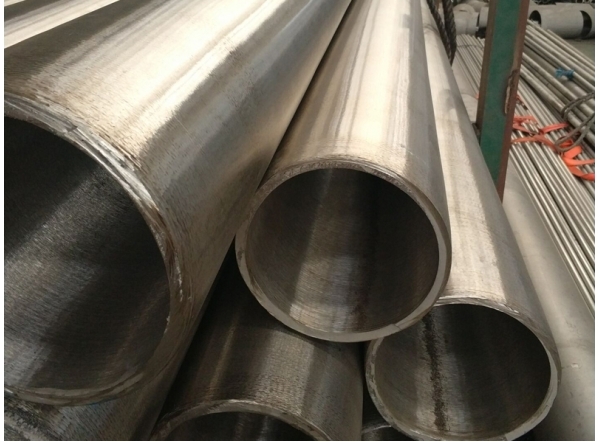 Stainless steel tube finish selection affects more than appearance. It can influence cleaning requirements, scratch visibility, handling methods, fabrication planning, and the final look of an installed project. Mirror-polished, brushed, and bright annealed finishes can all be suitable for stainless steel tubing, but each serves a different purpose. This guide helps fabricators, contractors, distributors, and project buyers compare the main options before preparing a tubing RFQ.
Why Surface Finish Selection Matters for Stainless Steel Tube Projects
For visible tubing, the surface finish often becomes part of the final project specification. A handrail, machine enclosure, display frame, food equipment support, or architectural structure may use the same stainless steel grade but require a different finish depending on its location and expected appearance.
Surface finish should be reviewed together with material grade, tube construction, dimensions, fabrication method, cleaning conditions, and the service environment. A bright surface alone does not determine corrosion resistance. Grade selection, weld quality, contamination control, drainage, cleaning practice, and chloride exposure can all affect real-world performance.
- Visible installations may prioritize reflection, texture consistency, or fingerprint resistance.
- Fabricated assemblies may require a finish that can be repaired or blended after welding.
- Equipment projects may need a defined internal or external surface condition for cleaning and process requirements.
- Outdoor and coastal installations require material selection based on the actual exposure environment, not surface appearance alone.
Appearance Is Only One Part of the Specification
Two stainless steel tubes can look similar before installation but perform differently during fabrication and service. For example, a highly reflective surface may suit a premium decorative installation, while a brushed finish may better conceal daily handling marks in a busy public area. A bright annealed tube may be selected where a clean and uniform mill-produced surface is needed, without requiring a mirror-like decorative polish.
How Surface Condition Affects Cleaning, Handling and Fabrication
Smoother and brighter surfaces can make dust, water marks, fingerprints, and scratches more visible. This does not mean that polished surfaces are unsuitable. It means buyers should define handling and packaging requirements early, especially when the tube remains visible after installation. If the tube will be cut, bent, welded, or mechanically joined, the project should also define whether post-fabrication finishing is required.
Mirror-Polished Stainless Steel Tube Finish
A mirror-polished finish is selected when a highly reflective appearance is important. It is commonly used for visible architectural features, decorative structures, premium handrails, display systems, furniture components, and other installations where the tubing is intended to contribute to the overall visual design.
For polished stainless steel tubing used in exposed locations, buyers should specify the expected surface appearance rather than relying only on a general term such as “polished.” A finish sample, reference photo, agreed polishing direction, roughness value where applicable, or acceptance standard can reduce misunderstandings before production.
Typical Appearance and Common Project Uses
Mirror-polished tube has a bright, reflective surface with high visual impact. It can complement glass, stone, wood, lighting fixtures, and other architectural materials. It is often considered for applications where a clean, modern, and premium appearance is required after installation.
- Handrails and balustrade components
- Hotel, retail, and commercial interior structures
- Decorative frames and visible support systems
- Display fixtures and furniture components
- Public-space railings and feature installations
Advantages for Visible Architectural and Decorative Components
The main advantage of mirror polishing is its reflective appearance. It can improve the visual consistency of assembled stainless steel components when tube dimensions, joints, weld finishing, and installation handling are controlled. A mirror finish can also make it easier to identify visible contamination during final cleaning before project handover.
Limitations: Fingerprints, Scratches and Handling Protection
Mirror-polished surfaces can show fingerprints, fine scratches, transport marks, and weld-related discoloration more clearly than textured finishes. For this reason, packing and installation procedures are important. Protective wrapping, end caps, separation from carbon steel materials, clean handling gloves, and protected storage areas can help reduce avoidable surface damage.
If tube sections will be welded on site, buyers should confirm whether welds will remain visible and how the surface finish will be restored after fabrication. A polished tube may require localized refinishing or project-specific finishing work after welding to maintain a consistent appearance.
Brushed Stainless Steel Tube Finish
Brushed stainless steel tube has a satin-like surface with visible directional lines created by abrasive finishing. It provides a more textured appearance than a mirror finish and is often selected where buyers want a refined surface but prefer less reflectivity and better visual tolerance for day-to-day handling marks.
Brushed finishes are commonly specified for architectural components, equipment enclosures, public-facing installations, and decorative fabrications. The direction and consistency of the brushing should be considered when several tube sections are joined in the same assembly.
How a Directional Brushed Finish Differs From Mirror Polish
Unlike mirror polishing, a brushed finish typically has a directional grain. This texture diffuses reflection and creates a softer, less mirror-like appearance. It may help make minor fingerprints and light handling marks less obvious, although the surface still requires appropriate cleaning and protection.
The brushing direction should be specified for assemblies where multiple components will be viewed together. Inconsistent grain direction can make an otherwise well-fabricated structure appear uneven after installation.
Where Brushed Finishes Work Well
- Commercial handrails and rail systems
- Elevator-area and public-space metalwork
- Equipment covers and machine frames
- Restaurant, retail, and hospitality interiors
- Decorative tubing assemblies with frequent public contact
How Brush Direction Affects Fabricated Assemblies
Brushed stainless steel should be planned as part of the fabrication sequence. Cutting, welding, grinding, and mechanical fastening can interrupt the grain pattern. If a continuous visual finish is important, fabricators may need to orient components consistently and perform controlled finishing after assembly.
Buyers should include the preferred grain direction, finish reference, visible weld locations, and final acceptance requirements in the RFQ or drawing package. This is especially important for handrails, wall-mounted structures, and large visible frameworks.
Bright Annealed Stainless Steel Tubing
Bright annealed, often abbreviated as BA, refers to a bright and smooth surface produced through annealing in a controlled atmosphere. It is different from a mechanically mirror-polished finish. BA tubing can provide a clean, uniform, and reflective surface without necessarily having the image clarity of a high-mirror finish.
Bright annealed tubing is often considered for industrial and fabrication applications where surface consistency, cleanliness, and a smooth appearance are important. It may also be selected as a starting surface for certain downstream processing requirements. The actual finish should always be confirmed against the project specification, as terminology can vary by manufacturer, product standard, and market.[29][30]
What Buyers Should Understand About BA Surface Condition
A BA surface is not automatically interchangeable with every polished finish. It may be appropriate where a bright, smooth, scale-free appearance is required, but it should not be assumed to meet a decorative mirror-polish requirement without reviewing a sample or agreed acceptance criteria.
- BA is generally smoother and brighter than common matte cold-rolled finishes.
- BA may be suitable where a uniform industrial appearance is needed.
- BA and mirror-polished surfaces can differ in reflectivity, processing route, and final visual effect.
- The required finish should identify whether it applies to the outside diameter, inside diameter, or both surfaces.
When Bright Annealed Tubing Is More Suitable Than Decorative Polishing
Bright annealed tubing may be a practical choice when the buyer needs a clean and bright surface but does not require high decorative reflectivity. It can be relevant for equipment assemblies, instrument-related tubing, fabricated stainless components, and applications where the final surface will not be the primary design feature.
For process-related applications, buyers should define the relevant technical requirement instead of relying only on the word “bright.” This may include material grade, applicable standard, dimensional tolerance, internal-surface requirement, cleanliness requirement, inspection scope, and documentation.
Questions to Ask About Internal and External Surface Requirements
Before ordering, clarify which tube surface is functionally important. A visible external surface may need decorative polishing, while a process-facing internal surface may need a separately defined condition. For some applications, only the outside diameter needs a controlled cosmetic finish. For others, the inside diameter, weld area, or cleaning requirement may be more important.
Mirror vs Brushed vs BA: Selection Comparison
The following table provides a practical comparison for preliminary finish selection. It is not a substitute for reviewing project drawings, samples, material standards, or application-specific requirements.
| Selection Factor | Mirror-Polished Finish | Brushed Finish | Bright Annealed Finish |
|---|---|---|---|
| Visual appearance | Highly reflective and decorative | Satin-like with directional grain | Bright, smooth, and generally uniform |
| Typical use | Premium handrails, decorative frames, visible installations | Public-facing metalwork, equipment panels, architectural components | Industrial assemblies, fabricated components, clean bright surface requirements |
| Fingerprint visibility | Usually more visible | Often less visually obvious than mirror finish | Depends on the specific surface and use conditions |
| Scratch visibility | Fine scratches can be noticeable | Minor marks may be less visible, but grain damage can show | Depends on handling and surface condition |
| Fabrication consideration | Visible welds and handling marks may require refinishing | Grain direction should remain consistent after assembly | Confirm whether the finish remains suitable after forming or welding |
| RFQ requirement | Sample, appearance standard, surface protection, visible weld requirement | Grain direction, finish reference, assembly orientation | OD/ID requirement, surface condition, cleanliness and packing |
How to Evaluate Finish by Appearance, Cleaning and Scratch Visibility
For decorative projects, review the finish under lighting conditions similar to the final installation. A finish that looks suitable in a warehouse may appear different under direct sunlight, indoor spot lighting, or a high-traffic public environment. If visual consistency is critical, request an agreed sample or reference standard before bulk production.
For installations requiring regular cleaning, consider the cleaning method, frequency, water quality, and likelihood of fingerprints or mechanical contact. The finish should support the expected maintenance practice rather than creating an appearance standard that is difficult to maintain in the actual environment.
How to Match Finish to Indoor, Outdoor and Process-Equipment Use
Indoor decorative applications often prioritize visual effect and handling resistance. Outdoor installations require a broader review of material grade, drainage, contaminant exposure, local climate, and maintenance planning. Process-equipment applications should prioritize the relevant technical surface requirement, material compatibility, and inspection expectations over decorative appearance.
For buyers comparing finishes against a defined tubing requirement, review Zheheng Steel’s polished tube specifications and custom options before finalizing the material grade, dimensions, and surface requirement.
How to Specify a Tube Finish on an RFQ
A clear RFQ helps the supplier evaluate whether the requested tubing can meet both technical and cosmetic expectations. “Polished” alone may not be detailed enough for a visible fabrication project. Buyers should provide the relevant surface requirement alongside the grade, size, wall thickness, quantity, and applicable standard.
State Whether the Requirement Applies to OD, ID or Both
Specify whether polishing or surface control is required on the outside diameter, inside diameter, or both. This distinction matters because an architectural handrail may prioritize the OD appearance, while a process application may need a defined internal condition. If only selected sections are visible, identify those areas in the drawing.
Use Samples, Photos or Roughness Requirements When Needed
For critical projects, include a physical sample, approved photo, finish designation, roughness target where applicable, or project acceptance criteria. Avoid assuming that generic terms such as “mirror,” “bright,” or “satin” have exactly the same meaning across every supplier and market.
Include Fabrication, Packing and Handling Requirements
State whether the tubing will be cut, bent, welded, polished after fabrication, or installed as a visible finished component. Also specify any protective film, end cap, bundle separation, wrapping, marking, export packing, or site-handling requirements. These details can reduce the risk of surface damage before installation.
- Material grade and applicable product standard
- Welded or seamless tube requirement
- Outside diameter, wall thickness, length, and tolerances
- Required finish and whether it applies to OD, ID, or both
- Reference sample, photo, grain direction, or surface acceptance standard
- Fabrication process and visible weld requirements
- Quantity, inspection documents, marking, and packing requirement
For projects requiring custom dimensions, agreed surface conditions, and export packing, buyers can review available finished stainless tube options before submitting their drawing or specification package.
Common Mistakes When Selecting a Stainless Steel Tube Finish
Choosing Appearance Without Considering the Service Environment
A decorative finish does not replace appropriate material selection. Outdoor exposure, chlorides, standing water, cleaning chemicals, fabrication contamination, and maintenance conditions should all be reviewed before selecting 304, 316L, or another grade. A bright finish may improve appearance, but it does not guarantee suitability for every environment.
Ignoring Weld Finishing and Post-Fabrication Polishing
Welding can change the appearance of stainless steel near the heat-affected zone. If a polished surface remains visible after fabrication, the project should define whether welds need cleaning, blending, mechanical refinishing, or another agreed post-weld treatment. This is particularly important for mirror-polished handrails and decorative assemblies.
Failing to Define Acceptable Surface Marks Before Production
Minor handling marks, polishing lines, weld-related variations, or transport damage can become a dispute if the cosmetic acceptance criteria are unclear. Buyers should define what will be visible after installation, how the tube will be protected, and whether a sample approval process is needed before full production.
Frequently Asked Questions
Is mirror-polished stainless steel harder to maintain than brushed steel?
Mirror-polished stainless steel can show fingerprints, water marks, and fine scratches more clearly because of its reflective surface. Brushed finishes may make minor handling marks less obvious, but both finishes still require suitable cleaning methods and careful handling.
Can a polished finish be applied after tube fabrication?
In many projects, localized finishing may be performed after cutting, welding, or assembly. The feasibility and final appearance depend on the original finish, tube geometry, access to the fabricated area, weld condition, and the required visual consistency. This should be planned before fabrication begins.
Does a brighter finish automatically provide better corrosion resistance?
No. Corrosion performance depends primarily on the selected stainless steel grade, operating environment, chloride exposure, fabrication quality, contamination control, drainage, and maintenance. Surface condition can affect cleanability and contamination retention, but brightness alone does not determine corrosion resistance.
Should food equipment require a polished inside surface?
The required internal surface condition depends on the equipment design, product contact requirements, cleaning method, applicable standard, and project specification. Buyers should state whether the tubing is product-contact, non-product-contact, structural, or used only for equipment support.
What information should be included when requesting a polished tube finish?
Provide the material grade, welded or seamless requirement, outside diameter, wall thickness, length, quantity, finish requirement, OD or ID application, reference sample or photo, applicable standard, intended application, inspection documents, and packing requirement.
Choose the Finish Around the Full Project Requirement
Mirror, brushed, and BA finishes each have a place in stainless steel tube projects. The best option depends on whether the priority is decorative reflection, a satin architectural appearance, a smooth bright industrial surface, easy maintenance, or a defined process requirement. Selecting the finish together with material grade, fabrication method, handling protection, and installation environment helps create a more reliable specification.
For a project-based review of material grade, dimensions, surface condition, inspection documents, and packing requirements, see polished stainless steel tubing solutions from Zheheng Steel.
Next: >> Schedule 10 Stainless Steel Pipe In Modern Industrial Use


