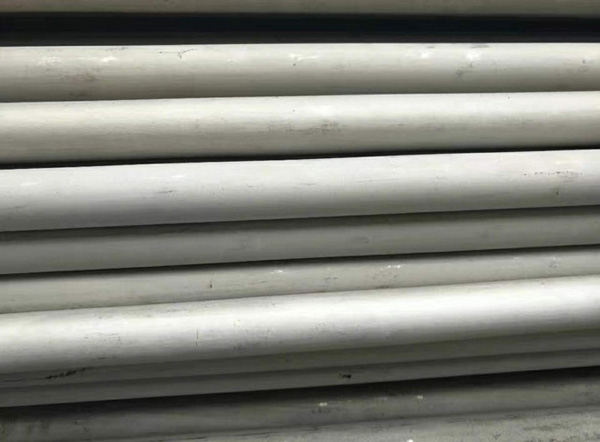
Schedule 10 Stainless Steel Pipe In Modern Industrial Use
Schedule 10 Stainless Steel Pipe is widely used in industries that require corrosion resistance, reliability, and efficient fluid transport. Known for its relatively thin wall thickness compared to higher schedules, this type of pipe offers an excellent balance between strength and weight. It is commonly selected for applications where pressure requirements are moderate but performance and durability remain essential.
Understanding Schedule 10 Classification
The term “Schedule 10” refers to the wall thickness standard defined for pipes of a given nominal size. In stainless steel piping systems, Schedule 10 pipes have thinner walls than Schedule 40 or Schedule 80 pipes. This classification allows engineers and designers to choose pipes based on pressure needs, weight considerations, and cost efficiency while still maintaining structural integrity.
Material Properties and Composition
Schedule 10 stainless steel pipes are typically manufactured from grades such as 304 or 316 stainless steel. These materials are valued for their excellent resistance to corrosion, oxidation, and chemical exposure. The alloy composition provides strength and durability while maintaining a smooth internal surface that supports efficient flow of liquids and gases.
Applications Across Industries
Schedule 10 stainless steel pipes are commonly used in industries such as food processing, pharmaceuticals, chemical processing, water treatment, and oil and gas. Their corrosion resistance makes them especially suitable for environments where cleanliness and material purity are critical. They are also widely used in piping systems that transport low- to medium-pressure fluids and gases.
Advantages in Installation and Handling
One of the notable benefits of Schedule 10 stainless steel pipe is its lighter weight compared to thicker-walled alternatives. This characteristic makes handling, transportation, and installation easier and more cost-effective. The reduced weight can also lower structural support requirements, which is particularly beneficial in large-scale piping systems.
Performance and Reliability
Despite its thinner wall thickness, Schedule 10 stainless steel pipe delivers reliable performance when used within its designed pressure and temperature limits. Its resistance to rust and corrosion contributes to a longer service life, reducing the need for frequent replacement or maintenance. This reliability makes it a preferred choice for long-term industrial applications.
Conclusion
Schedule 10 stainless steel pipe offers a practical solution for industries seeking efficient, corrosion-resistant piping with manageable weight and cost. Its versatility, durability, and suitability for a wide range of applications make it an important component in modern piping systems. By meeting both performance and economic needs, Schedule 10 stainless steel pipe continues to play a significant role in industrial infrastructure.